
June 15, 2023 | Written by LabCoat Epoxy Team
Epoxy Floor Maintenance: The Complete Guide
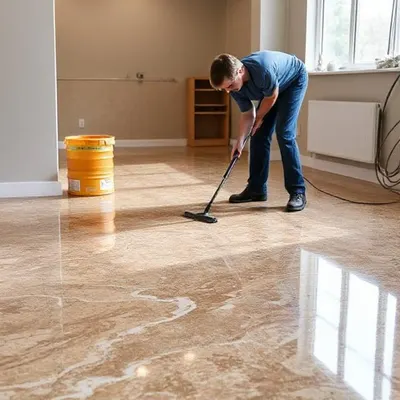
Introduction to Epoxy Floor Maintenance
Epoxy floors are renowned for their durability, aesthetic appeal, and low maintenance requirements. However, proper care is essential to maintain their shine and extend their lifespan. This guide provides comprehensive maintenance tips for residential and commercial epoxy flooring solutions.
Daily and Weekly Cleaning Routines
Regular cleaning prevents dirt and debris from scratching your epoxy surface. Follow these steps for effective routine maintenance:
Daily Maintenance
- Dust mopping - Use a microfiber dust mop daily to remove dust, dirt, and debris
- Spot cleaning - Wipe up spills immediately with a soft cloth to prevent staining
Weekly Cleaning
- Gentle cleansing - Mix warm water with a pH-neutral cleaner (avoid soap-based or acidic cleaners)
- Microfiber mop - Mop the floor with the solution, then rinse with clean water
- Dry thoroughly - Prevent water spots by drying with a soft microfiber cloth
PRO TIP
Never use vinegar, bleach, citrus cleaners, or harsh chemicals on your epoxy floors. These can break down the epoxy resin over time and cause discoloration.
Deep Cleaning Methods
Even with regular maintenance, epoxy floors need periodic deep cleaning to maintain their appearance. We recommend deep cleaning your epoxy floors every 3-6 months depending on traffic.
Equipment Needed
- Soft-bristled floor scrubber or commercial floor buffer with soft pads
- Specialized epoxy floor cleaner
- Clean water for rinsing
- Wet vacuum for water removal
- Microfiber cloths for drying
Deep Cleaning Process
- Sweep or vacuum the floor to remove loose debris
- Apply the epoxy floor cleaner according to manufacturer instructions
- Use a soft-bristled scrubber for stubborn spots (avoid abrasive pads)
- For larger areas, use a floor buffer with a non-abrasive pad
- Rinse thoroughly with clean water
- Remove excess water with a wet vacuum
- Allow the floor to air dry completely
Stain Removal Guide
Despite epoxy's stain-resistant properties, certain substances can still cause discoloration if left unattended. Here's how to address common stains:
Chemical Stains
For battery acid, harsh chemicals, or automotive fluids:
- Neutralize acidic spills immediately with baking soda
- Gently scrub with a soft cloth and pH-neutral cleaner
- Rinse thoroughly
Tire Marks
Hot tire marks can be challenging but not impossible to remove:
- Apply a specialized epoxy cleaner designed for tire marks
- Allow to sit for the recommended time (usually 5-10 minutes)
- Scrub gently with a soft-bristled brush
- Rinse clean and dry thoroughly
Rust Stains
- Apply a commercial rust remover safe for epoxy surfaces
- Follow the product instructions carefully
- Rinse thoroughly after treatment
Preventative Maintenance Tips
Prevention is always better than cure. These practices will help maintain your epoxy floor:
Traffic Areas
- Use mats at entrances to reduce dirt and debris
- Place protective pads under furniture legs
- Avoid dragging heavy objects across the floor
Vehicle Protection
For garage epoxy floors:
- Allow hot tires to cool before parking on epoxy
- Use containment mats under vehicles to catch fluids
- Clean up automotive fluid spills immediately
Seasonal Considerations
- Winter: Use mats to catch snow, salt, and ice melt chemicals
- Summer: Ensure proper ventilation to prevent extreme heat buildup
When to Consider Professional Maintenance
While DIY maintenance can handle most needs, professionals should be consulted for:
- Significant scratches or gouges
- Areas with damaged topcoat
- Delamination issues
- Yellowing or significant discoloration
Professional maintenance might include reapplication of a clear topcoat every 3-5 years (depending on traffic) to restore shine and protection.
Long-Term Care for Different Types of Epoxy
Different epoxy systems may have specific maintenance requirements:
Solid Color Epoxy
Shows scratches more easily; requires more frequent dust mopping and prompt stain removal to maintain appearance.
Flake/Chip Systems
More forgiving of small scratches and dirt; focus on maintaining the clarity of the topcoat with proper cleaning.
Metallic Epoxy
Requires gentle cleaning to preserve the unique patterns; avoid abrasive cleaners that could dull the metallic effect.
Conclusion
With proper maintenance, your epoxy floor can maintain its beautiful appearance and durability for many years. Regular cleaning, prompt attention to spills, and occasional professional maintenance will keep your investment looking its best.
If you have questions about maintaining your specific epoxy floor system, or if you're considering a professional refresh of your existing epoxy, contact our team of experts at LabCoat Epoxy.